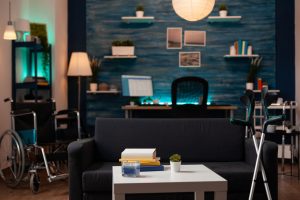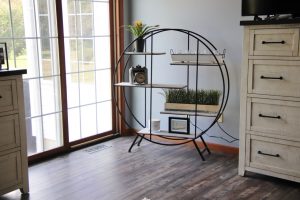


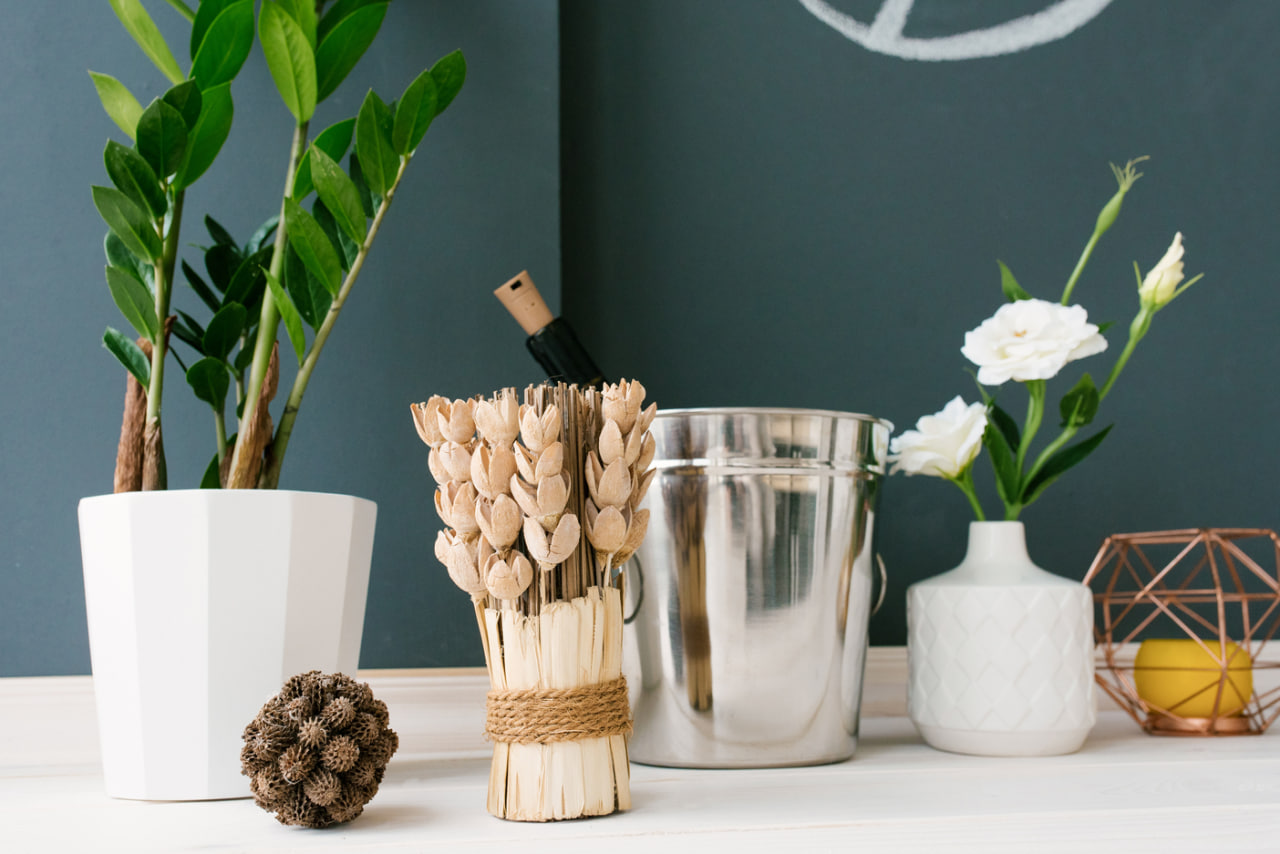
Transforming a space requires more than decoration—it requires creative problem solving. Functional decor is about maximizing usability while maintaining aesthetic appeal. Every room has challenges, from limited space to irregular layouts or conflicting styles. Developing problem-solving skills allows you to create environments that are organized, functional, and visually engaging. This guide explores strategies, techniques, and approaches for overcoming common challenges in designing and arranging spaces.
Understanding Space Constraints
The first step in problem-solving is understanding the limitations and opportunities within a space. Key considerations include:
Dimensions and Layout
Measure walls, floors, and furniture to determine what fits and how items can be arranged effectively.
Functionality Needs
Identify the primary functions of each space, such as work, relaxation, storage, or socializing.
Flow and Accessibility
Consider how people move through the space, ensuring pathways are clear and functional zones are well-defined.
By analyzing these constraints, you can make informed decisions and develop practical solutions.
Evaluating Materials and Elements
Effective problem solving requires matching materials and design elements to the specific challenges of a space. This includes:
Durable and Flexible Materials
Choose materials that can withstand usage patterns, such as heavy foot traffic or repeated handling.
Flexible materials, like fabric or lightweight wood, allow for movable or adjustable decor solutions.
Multi-Functional Pieces
Use storage ottomans, foldable tables, or shelving units that serve more than one purpose.
Optimize furniture placement for both usability and aesthetics.
Evaluating materials and functional elements ensures that every choice contributes to the overall solution.
Techniques for Optimizing Space
Several techniques can help transform limited or challenging areas into efficient and attractive environments:
Vertical Storage
Utilize walls for shelves, hooks, and decorative panels to free floor space.
Vertical solutions often provide storage without compromising accessibility.
Zoning and Layering
Define functional areas within a single room using rugs, furniture arrangement, or decorative dividers.
Layer textures, colors, and materials to create visual interest while maintaining clarity of purpose.
Custom and Adaptable Solutions
Create pieces tailored to unique spaces, such as built-in shelves or modular furniture.
Consider movable or modular items that can adapt as needs change.
These techniques allow you to solve spatial challenges creatively while maintaining functionality.
Problem-Solving Mindset
A structured approach to creative problem solving enhances effectiveness:
Observation: Study the space and identify challenges clearly.
Brainstorming: Generate multiple solutions before committing to a single approach.
Testing: Use sketches, small models, or mock-ups to evaluate ideas.
Iteration: Adjust solutions based on observations and feedback.
Adopting this mindset ensures thoughtful, deliberate decisions that improve both function and aesthetics.
Case Studies and Practical Examples
Practical examples illustrate how creative problem solving works in real environments:
Small Living Rooms: Using vertical shelves, foldable furniture, and multipurpose storage to maximize comfort and utility.
Workspaces: Creating zones for work, storage, and relaxation while maintaining an organized and inspiring layout.
Decorative Solutions: Layering fabrics, wood, and paper to add visual interest without cluttering functional areas.
Analyzing examples demonstrates how materials, techniques, and spatial strategies come together to solve design challenges effectively.
Common Mistakes and How to Avoid Them
Even experienced makers encounter challenges when problem-solving in spaces:
Overcrowding rooms with too much furniture or decor
Ignoring user flow or accessibility in layout planning
Choosing materials or pieces that do not match the function or durability requirements
Failing to test ideas before full-scale implementation
Avoiding these mistakes comes from careful observation, planning, and iterative adjustment.
Applying Skills to Everyday Spaces
Creative problem solving is a skill that extends beyond single projects. Applying these strategies in everyday environments allows you to:
Improve organization and comfort in your home
Enhance visual appeal without compromising function
Innovate and personalize decor solutions based on unique challenges
Build confidence in adapting spaces to new needs over time
Through practice, observation, and reflection, problem-solving skills transform ordinary spaces into functional and beautiful environments.
Developing Long-Term Spatial Creativity
Mastering spatial problem solving is an ongoing process. Regularly experimenting with layouts, materials, and functional solutions helps you:
Recognize patterns and anticipate challenges in different spaces
Combine multiple techniques for complex or irregular areas
Develop a personal style that balances creativity and practicality
Continuously refine solutions based on experience and feedback
By integrating these skills into your creative practice, every project becomes an opportunity to innovate, optimize, and enhance the spaces you inhabit or design for others.